

Autism Services
How We Work With Autistic Clients
We take the time needed to build trust and learn about your unique experience before moving into brainstorming strategies to help you reach your goals. Whether you’re seeking tools to navigate a world that wasn't designed for autistic minds and nervous systems, or just want a therapist who gets it, you’re in the right place.
Our providers have more than 50 years of combined experience working with autistic children, teens, and adults (diagnosed or self-identifying), as well as families who want to better understand and support their autistic loved ones.

Late-Diagnosed Autism
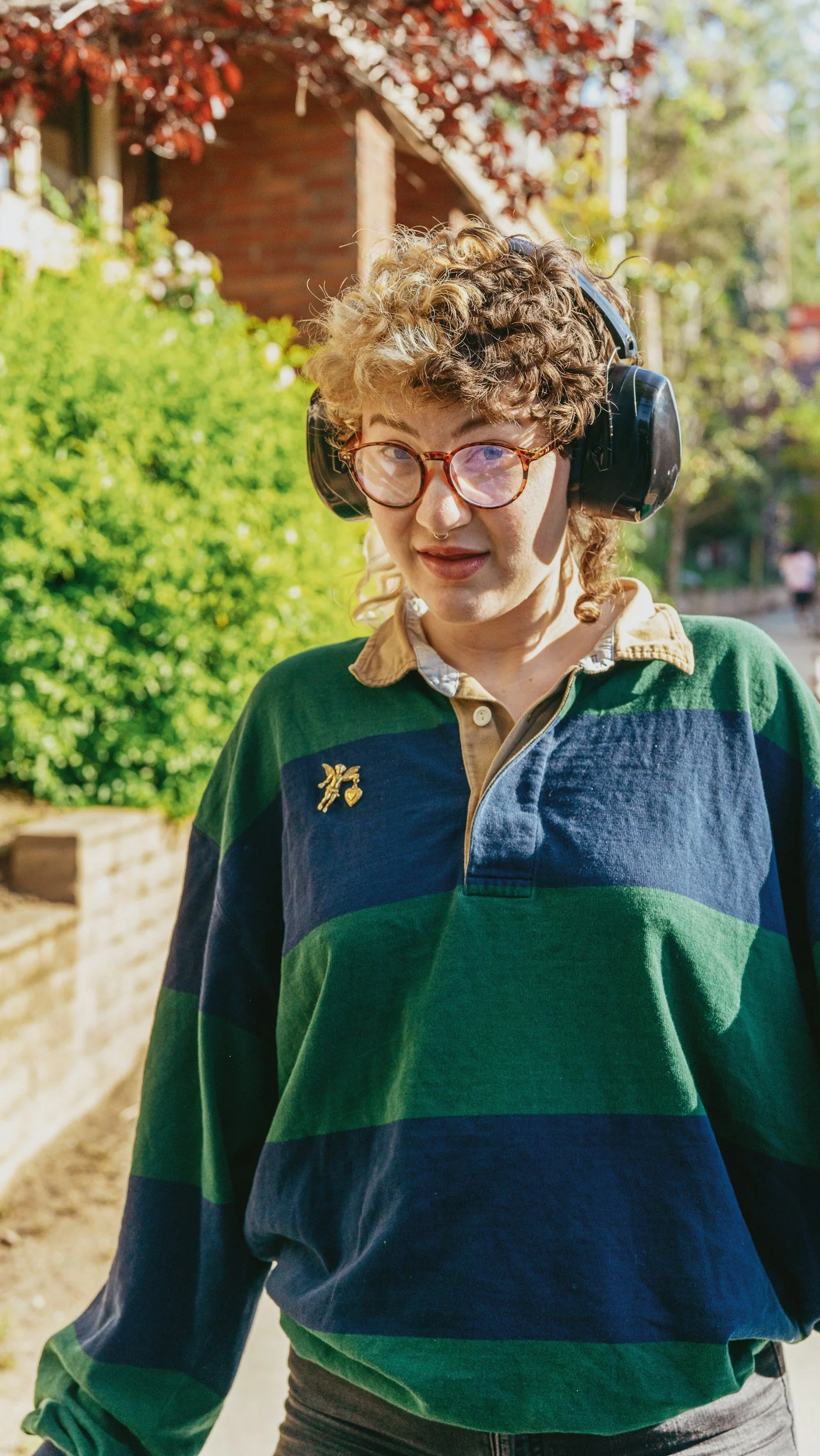
With new understanding about the nuances and wide variation of the autistic experience, there has recently been an increase in ‘late-diagnosed autism.’ These are often adults who have been labeled with other mental health diagnoses that never fully matched their experience and they usually received minimal benefits from therapy and/or medication tailored for these inaccurate diagnoses. Being diagnosed autistic later in life can simultaneously be an empowering, confusing, and scary experience.
Common Experiences of Autistic People
-
![]()
Sensory sensitivities
Bright lights, loud sounds, certain textures or smells might feel overwhelming (or, in some cases, soothing)
-
![]()
Deep focus or strong interests
A passionate focus on topics, hobbies, or activities that bring joy and meaning.
-
![]()
Need for routine or predictability
Daily structure can feel grounding and help reduce anxiety.
-
![]()
Differences in communication
This might look like using few or no words, speaking in great detail, or preferring written communication.
-
![]()
Social interaction differences
Navigating unspoken social rules, group conversations, or small talk can be exhausting or challenging.
-
![]()
Stimming
Repetitive movements or sounds (like hand-flapping, rocking, humming) that can help with self-regulation or expression.
-
![]()
Burnout or overwhelm
Autistic Burnout is especially likely to happen after masking (hiding autistic traits to fit in), sensory overload, or social exhaustion.
-
![]()
Strong sense of justice or honesty
Many autistic people value fairness, truth, and clear communication.
-
![]()
Rejection Sensitive Dysphoria (RSD)
Intense emotional response to perceived rejection, criticism, or failure—real or imagined.
-
![]()
Experience of emotions and empathy
Feeling emotions deeply—even if it’s not always expressed in expected ways. Or, having difficulties identifying one’s emotional experience.
-
![]()
Persistent Drive for Autonomy (PDA)
A deep need to feel safe, in control, and not pressured.
-
![]()
Experience Minority Stress
Because the world is structured in a way that doesn’t take the autistic experience into account, autistic people are more likely to experience unique, chronic stressors due to societal oppression, prejudice, and discrimination.
-
![]()
Difficulties with transitions or change
Shifting tasks, environments, or routines may feel stressful without support.











-
Autism is a neurotype spectrum and not something to be fixed or solved. The autistic experience covers a spectrum of strengths, challenges, and insights that impact how one navigates a world that was designed without their neurotype in mind.
-
In years past, therapies for autistic people often included teaching them how to better blend in with their peers and to seem ‘less autistic.’ While this seemed helpful at the time, it actually led to that person masking their autistic traits and experiences.
We now know that masking is a primary cause of Autistic Burnout, internalized ableism, and difficulties in truly knowing one’s own needs and identity. We also know that sometimes one may need to balance blending in and unmasking in order to safely navigate their daily lives at school, work, and home.
-
We recognize the current movement of autistic self-advocates who are reclaiming the narrative about the autistic experience. In doing so, many autistic people aren’t comfortable with person-first language or being called ‘a person with autism.’ Instead, many self-advocates prefer diagnosis-first language, such as ‘autistic person’ because they feel autism is an intrinsic part of their identity.
We respect our clients’ decisions about whether or not they identify with diagnosis-first or person-first language and will work to stay aligned with their choice of language.
-
Rejection Sensitive Dysphoria is an intense emotional response to perceived rejection, criticism, or failure—real or imagined. For many neurodivergent people, especially those with ADHD or autism, RSD can feel overwhelming and deeply painful. It’s not about being “too sensitive”—it’s about having a nervous system that feels rejection as a full-body experience.
If you or your child feel crushed by criticism, avoid situations where you might be judged, or seem to take things “too personally,” this may be part of what’s going on.
RSD often comes from a history of being misunderstood or feeling like you have to work extra hard just to belong. In therapy, we create space to untangle those experiences, strengthen self-worth, and build resilience—without asking you to shut down your feelings.
-
Some autistic individuals—both kids and adults—have what’s known as a Persistent Drive for Autonomy (sometimes called the PDA profile). This isn’t about being defiant or oppositional—it’s a deep, nervous-system-level need to feel safe, in control, and not pressured. Even everyday requests (like “put on your shoes” or “answer this email”) can feel threatening if they’re experienced as a loss of agency.
Underneath the surface is often anxiety, sensitivity, and a creative, adaptive mind trying to find freedom in a world that feels unpredictable or overwhelming.
We approach PDA with compassion, flexibility, and a deep respect for autonomy. That means working collaboratively, reducing pressure, and finding ways to honor needs without triggering overwhelm. When safety and trust are present, connection and growth naturally follow.
-
Because we live in a world that caters to allistic (not -autistic) individuals, autistic folks run into experiences of minority stress in every domain of their lives.
Evidence of this can be found in the ways autistic people have to adapt, mask, and otherwise stifle autistic traits in order to “fit in” with societal norms. In other cases, this is seen when autistic people are not afforded opportunities for work, education, healthcare, or community because of functional differences.