

Trauma Therapy
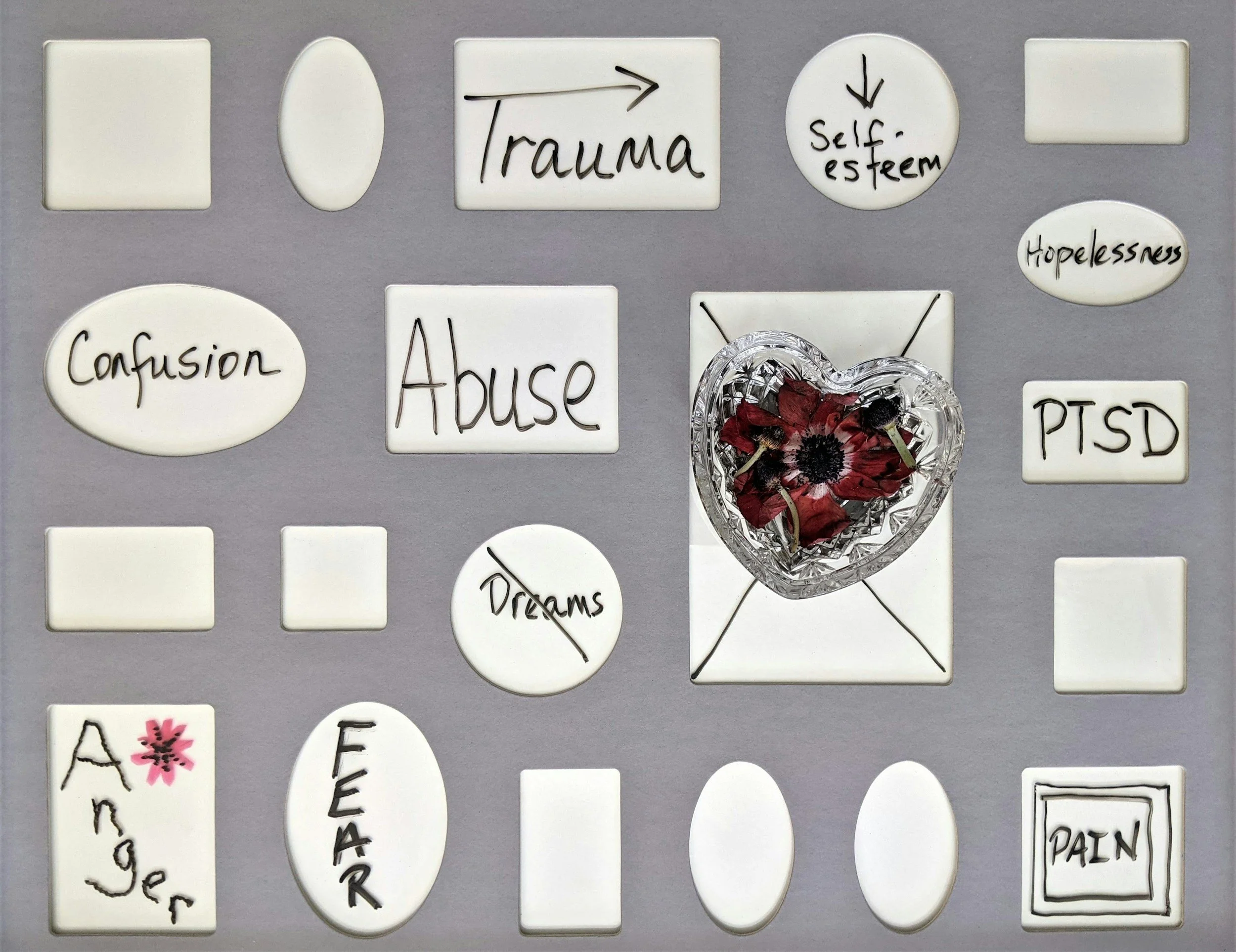
What is trauma?
Trauma is a person’s response to an event or series of events that are experienced as physically or emotionally harmful. Because everyone reacts differently to all life experiences, defining what is specifically considered ‘traumatic’ is a personal and individualized process. There is also no ‘right’ or ‘wrong’ way to respond to trauma.
The information that follows is generalized and based on the experiences of many, and may not define your personal experiences. There are several clinical diagnoses that are associated with a person having a—or many—traumatic experiences, but the most commonly known diagnosis is Post-Traumatic Stress Disorder (PTSD).

Common experiences of PTSD
Intrusive memories or flashbacks — including emotional flashbacks
Disturbed sleep—including nightmares, insomnia, sleeping too much, restless sleep, etc
Hypervigilance and exaggerated startle responses
Avoidance of reminders of the trauma
Increased anxiety and panic
Depressive symptoms
Emotional numbness or detachment
Over-attachment or ‘clingyness’

What is Complex Trauma?
The original definition of PTSD focused on a person’s response to a single traumatic event. There is now a growing understanding of Complex Post-Traumatic Stress Disorder (C-PTSD) which recognizes that the impact of chronic, repeated traumas is different from PTSD and often far more complex and less predictable.

Common experiences of C-PTSD
Negative self-perception— including guilt, shame, low feelings of self-worth
Difficulties with emotional regulation—including unpredictable, inconsistent, and impulsive reactions; increased risk-taking
Difficulties in relationships—including mistrust, patterns of unhealthy/abusive relationships, isolation, unhealthy patterns of attachment
Sense of threat or hopelessness—including never feeling safe; this experience can border on paranoia
Never finding psychiatric medications that fully or successfully manage these symptoms —often despite trying numerous types and strengths of medications over an extended period of time
-
PTSD is a response to an external event - something that happens “to” a person. Minority Stress refers to marginalization of a person based on aspects of their identity that can not be changed, altered, or avoided. Minority Stress Theory recognizes the lasting, chronic impact of being someone who constantly experiences (or worries they will experience) some type of oppression in every facet of their daily lives.
Minority Stress Theory separates experiences of those in these marginalized groups into two categories: external stressors and internal stressors.
-
Discrimination in healthcare, education, housing, employment, and any other system within a person’s community
Harassment or violence (or threats of either)
Being misgendered, stereotyped, exoticized or fetishized
Microaggressions and invalidation
-
Internalized shame or stigma
Feeling pressure to hide or suppress identity
Hypervigilance or fear of being outed
Low self-worth due to systemic bias
-
Depression and anxiety
Substance use
Chronic stress and burnout
Suicidal thoughts
Disordered eating
Social Isolation
Any/all of the symptoms associated with PTSD and C-PTSD