

LGBTQ+ Services

How we work with LGBTQ+ clients
Living authentically in a world that often marginalizes or misunderstands LGBTQ+ identities can present distinct emotional and psychological challenges. Our goal is to provide a safe, affirming, and inclusive space where individuals of all sexual orientations, gender identities, and expressions feel seen, affirmed, respected, and supported.
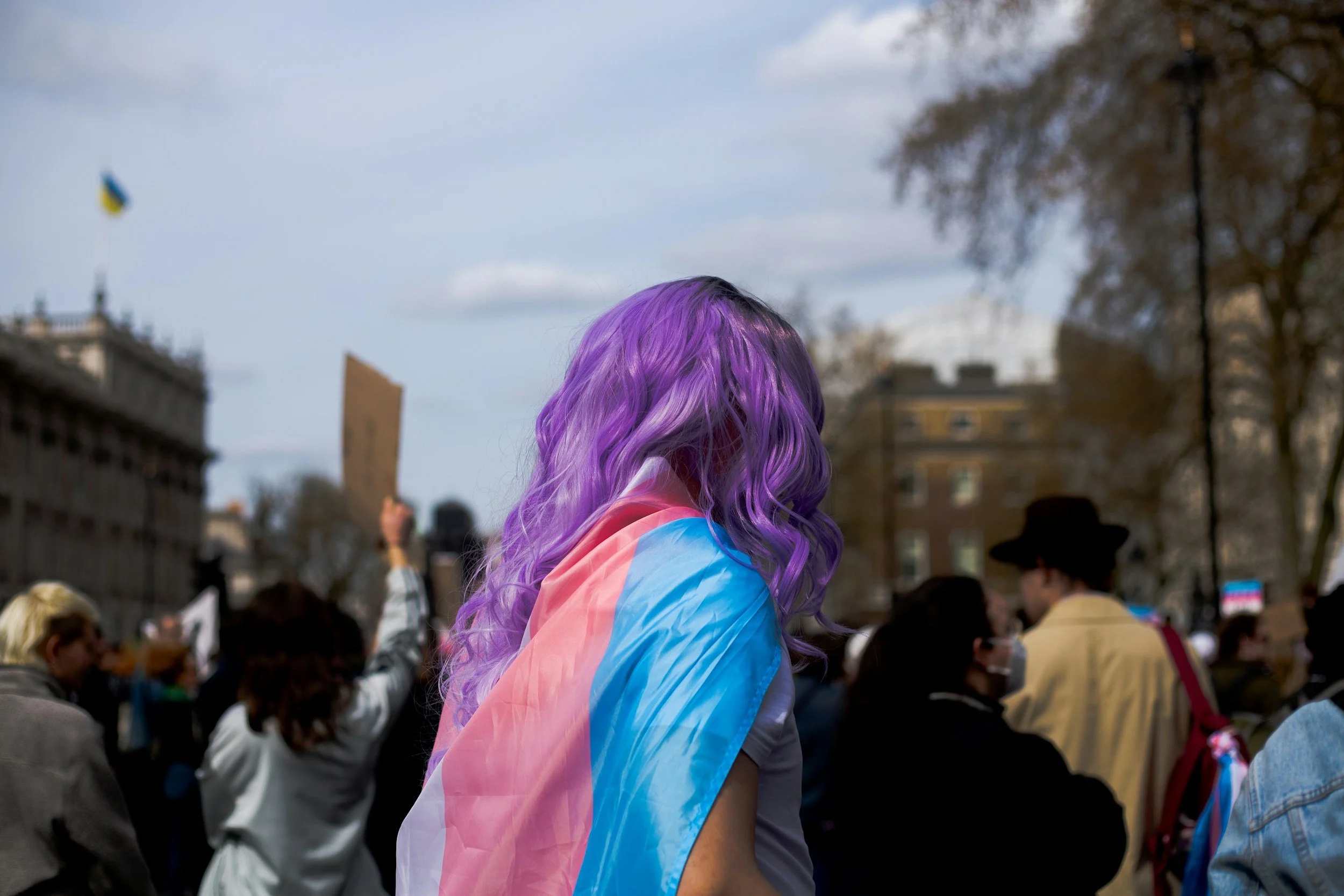
LGBTQ+ Minority Stress
Members of the LGBTQ+ community are statistically more likely to experience mental health issues (anxiety, depression, suicidal ideation, and exposure to minority stress) not because of their identities, but because of the discrimination, stigma, and social isolation they may face. Coming out, navigating family acceptance, encountering bias in the community, school, or the workplace, and accessing affirming healthcare are just some of the examples of minority stress that can impact emotional well-being.
Transgender and gender diverse individuals, in particular, often face significant barriers to care and higher rates of psychological distress due to societal misunderstanding, systemic inequities, and lack of access to gender-affirming support.
-
PTSD is a response to an external event - something that happens “to” a person. Minority Stress refers to marginalization of a person based on aspects of their identity that can not be changed, altered, or avoided. Minority Stress Theory recognizes the lasting, chronic impact of being someone who constantly experiences (or worries they will experience) some type of oppression in every facet of their daily lives.
Minority Stress Theory separates experiences of those in these marginalized groups into two categories: external stressors and internal stressors.
-
Discrimination in healthcare, education, housing, employment, and any other system within a person’s community
Harassment or violence (or threats of either)
Being misgendered, stereotyped, exoticized or fetishized
Microaggressions and invalidation
-
Internalized shame or stigma
Feeling pressure to hide or suppress identity
Hypervigilance or fear of being outed
Low self-worth due to systemic bias
-
Depression and anxiety
Substance use
Chronic stress and burnout
Suicidal thoughts
Disordered eating
Social Isolation
Any/all of the symptoms associated with PTSD and C-PTSD